The team at Predator Park have always carried the passion to create a National Resource and Experience Centre dedicated to raising awareness of natural predators.
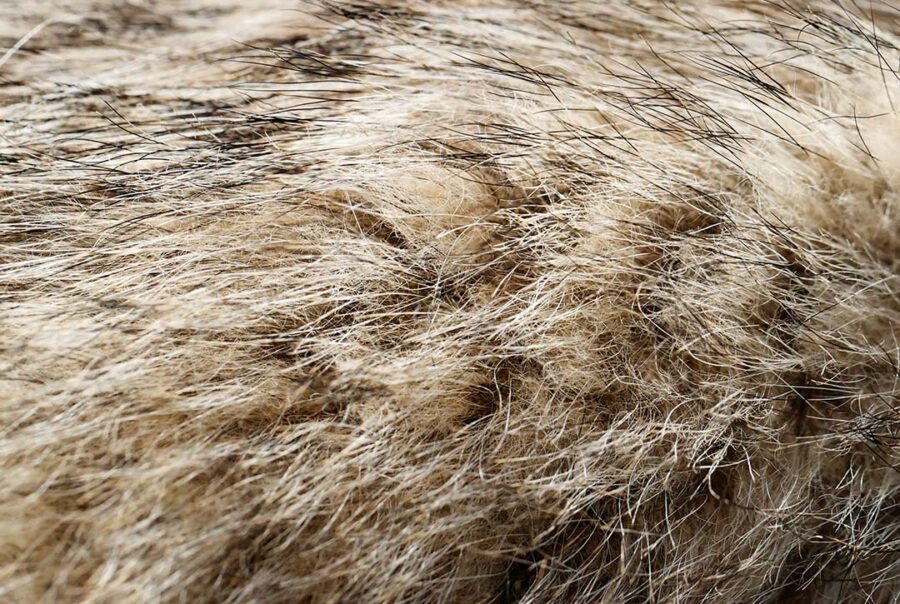
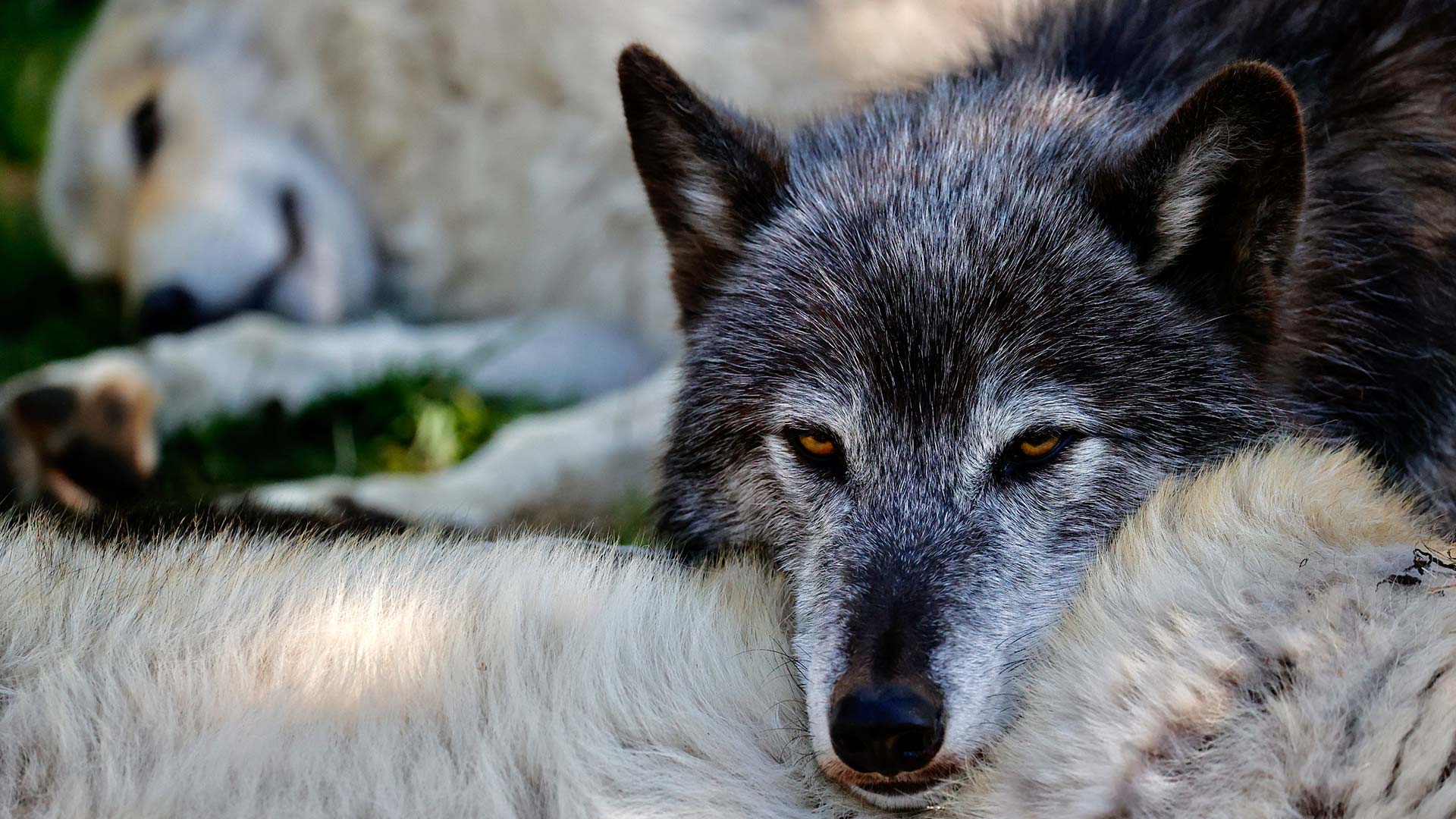
That thick winter coat that carried them through cold Cumbrian mornings begins to loosen, and suddenly the sleek summer wolf is trying to break free from underneath what looks like an oversized jumper.
Shedding is not vanity, it is biology doing its thing. As the days get longer, not just warmer but brighter, a wolf’s body takes the hint. More daylight tells them it is time to swap insulation for something lighter. Temperature plays a part, but daylight is the real boss.
And when it starts, it really starts.

What shedding looks like
You will notice clumps of undercoat coming away, especially around the shoulders, sides, and hindquarters. Some wolves look scruffier for a while, like they are midway through a wardrobe change.
Wolves rub against fencing, roll dramatically in the grass, and scratch with complete disregard for dignity. It can look theatrical, but it is perfectly normal. Shedding can make them itchier, and rolling is simply their version of dealing with it.
Then, almost overnight, the winter coat is gone and the summer version steps forward. Sleeker, sharper and looking like they meant to do it all along.
Routine health care at Predator Park
While the wolves are busy redecorating the park with fur, we are quietly keeping everything on track. Caring for wolves means combining respect for what they are with responsible animal management.
Our wolves have structured three monthly check-ups with the vet. These are opportunities to monitor body condition, mobility, teeth, skin, and overall wellbeing. It is also when we stay on top of vaccination schedules and boosters where needed.
This is not the glamorous side of wildlife, but it is the essential side. Good welfare is built on the small things done well, over and over again.
Do wolves need manicures?
Short answer, no.
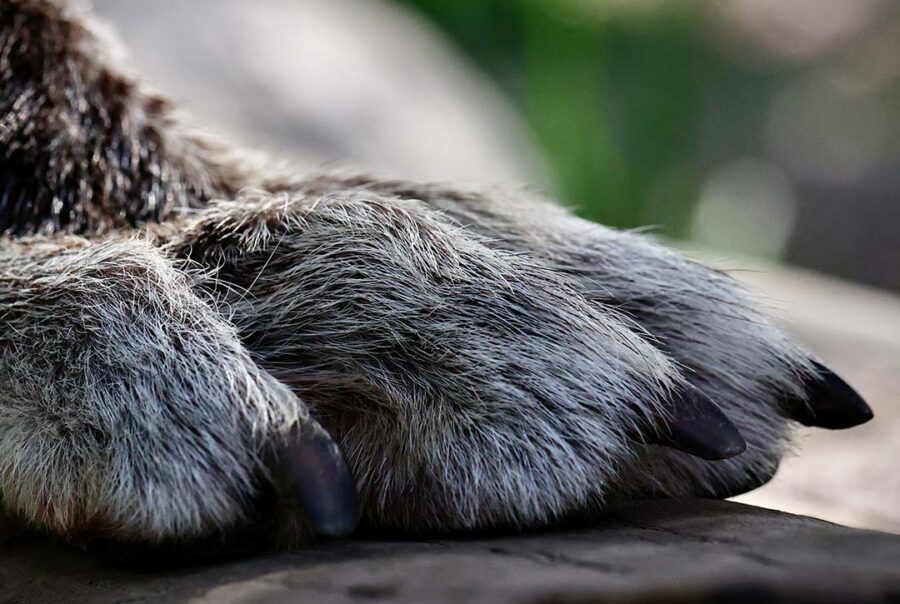
Wolves do not book in for nail trims. Their claws wear down naturally through daily movement, turning, digging, and covering ground. The terrain does most of the work for them.
That said, we still check feet and pads regularly. Pads tell you a surprising amount about how a wolf is coping with the season, especially as the ground shifts from frozen to soft and sometimes muddy.
Yes, spring in Cumbria is muddy. The wolves do not mind – the humans occasionally do.
Why this matters for your experience
People searching for a wolf sanctuary in the UK often want reassurance, and rightly so. They want to know the animals are well cared for, properly managed, and respected for what they are.
We welcome those questions.
Wolves deserve more than myth and drama. They deserve standards and they deserve knowledgeable care. They deserve people who understand that behind every powerful moment is a lot of routine work.
When you visit Predator Park, you are not just watching wolves shed their winter coats and bounce into summer. You are stepping into a place built around welfare, conservation, and a more honest relationship with predators.
And yes, you might leave with a bit of fur on your coat and mud on your boots.